
Ticker: LLY
Price: 1055 USD
Target: 1300 USD
Update 20/10/2026
Target reached, position closed with a +23.2% gain
Company Overview
Founded in 1876 and headquartered in Indianapolis, Eli Lilly and Company is a leading global Big Pharma, operating in over 125 countries. Originally pioneering in the field of mental health with historic drugs like Prozac and Zyprexa, Lilly has progressively transformed its core business towards the treatment of diabetes, obesity, and metabolic diseases, becoming a world leader with products such as Trulicity, Mounjaro, Basaglar, Zepbound, and Jardiance.
In parallel, the company has consolidated its presence in oncology with therapies including Verzenio, Cyramza, and Jaypirca, and in high-potential areas like immunology (Taltz, Olumiant) and neuroscience (Donanemab, Emgality).
Led by CEO Dave Ricks, the company combines centralized scientific governance with a direct-to-patient access model through the LillyDirect platform, reinforced by an expanding global manufacturing network.
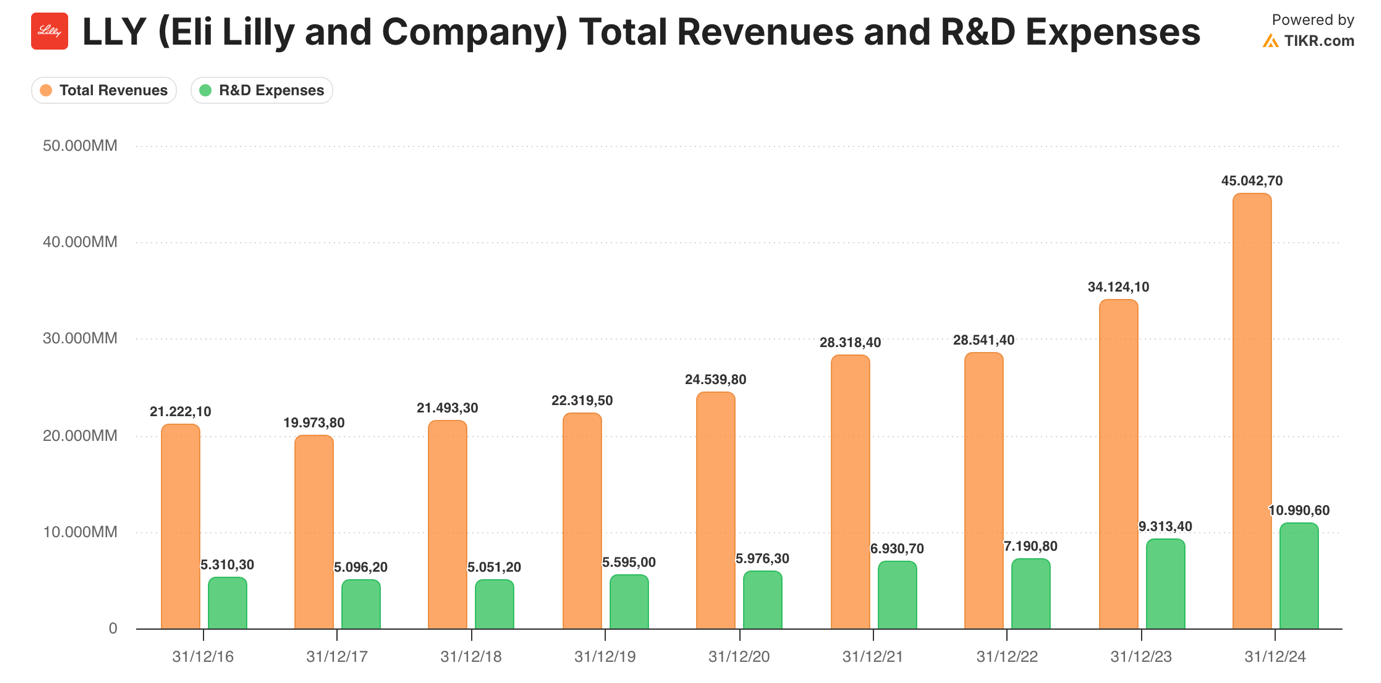
Eli Lilly is among the highest investors in Research and Development within the pharmaceutical sector, allocating an average of approximately 25% of its revenue to scientific innovation and clinical development projects.
Industry Overview
Eli Lilly now operates in a veritable duopoly with Novo Nordisk within one of the world’s largest and fastest-expanding markets: the US obesity drug market.
It is important to note that the flagship products driving this growth are Mounjaro, approved as an injectable drug for the treatment of Type 2 diabetes, and Zepbound, authorized for the treatment of obesity, although both are based on the same active ingredient, tirzepatide.
The potential of this market is enormous: there are approximately 110 million obese people in the United States alone, and the demand for anti-obesity medications has surged by over 100% YoY in the last two years. In this context, Eli Lilly has established itself as the sector leader, thanks to superior clinical efficacy in terms of body weight reduction compared to competing products from Novo Nordisk.
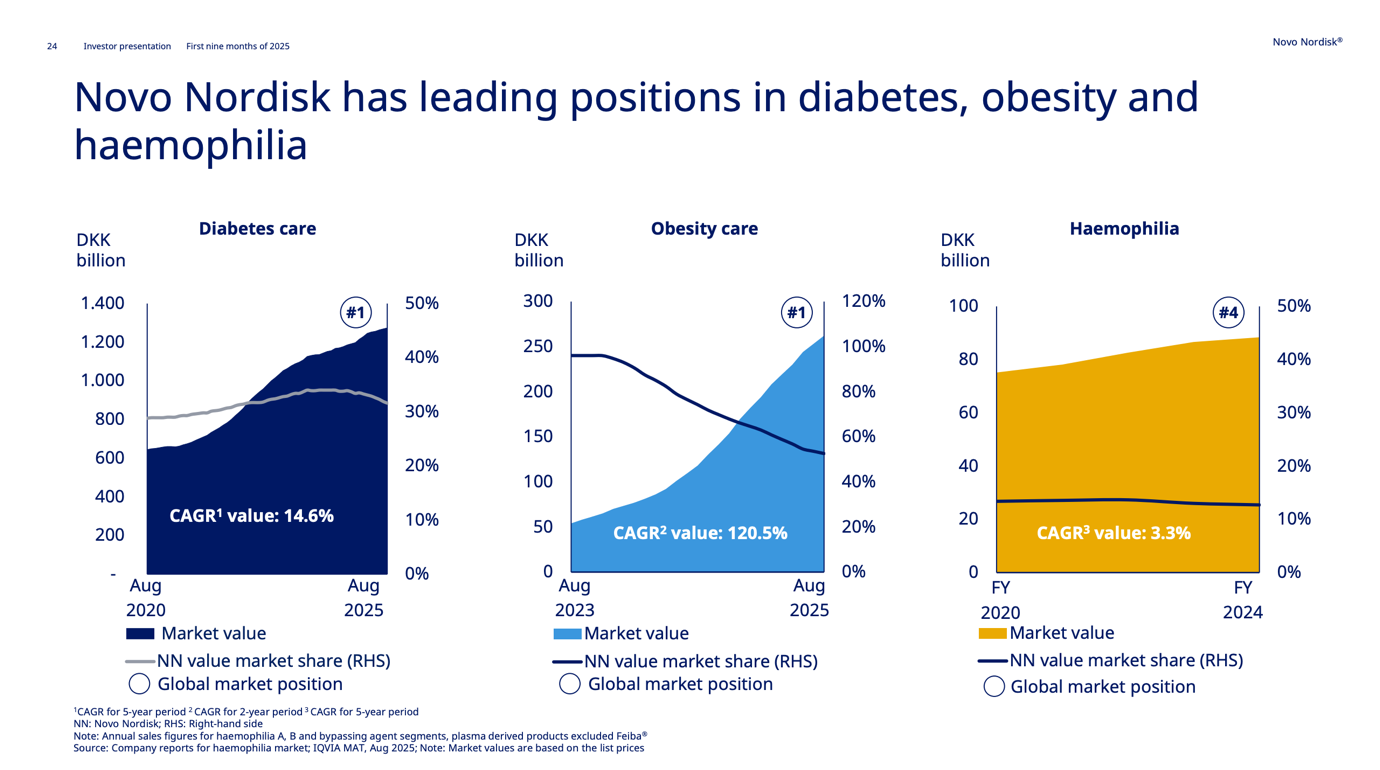
The US anti-obesity drug market continues to expand at extraordinary rates: between 2023 and 2025, it recorded a CAGR of approximately +120%, driven by soaring demand and increasing clinical awareness of obesity as a chronic disease. Until just a few years ago, Novo Nordisk effectively held the entire market (Wegovy and Saxenda), but its share has progressively fallen from 100% to 60%, making way for the ascent of Eli Lilly.
Novo Nordisk’s loss of market share is also confirmed by weekly prescription data, which shows consistent growth for Eli Lilly, while Novo Nordisk records virtually stable volumes. This is a sign of a slowdown in its expansion capacity despite the overall growth of the market.
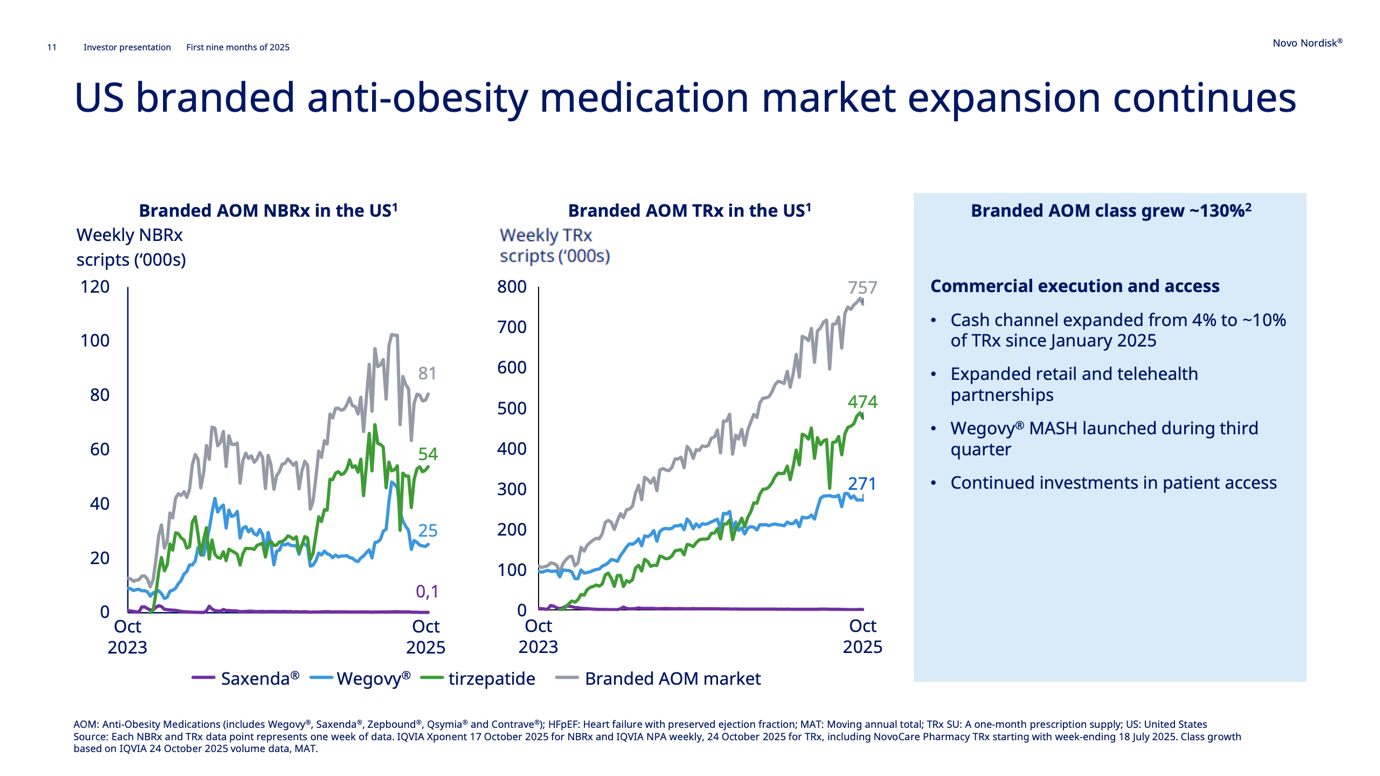
Specifically, as the chart shows, out of 757 thousand weekly prescriptions in a market that has grown by +130% YoY (Branded AOM), Eli Lilly (tirzepatide) maintains a clear leadership position with 474 thousand prescriptions, equivalent to 63% market share, versus 271 thousand for Wegovy (Novo Nordisk), which represents approximately 36% of the total.
Eli Lilly’s drugs, based on tirzepatide, have proven to be significantly more effective than those from Novo Nordisk, which utilize semaglutide: tirzepatide allows for an average body weight reduction of 22.5%, compared to approximately 15% for semaglutide.
Beyond greater efficacy, tirzepatide features a more complex molecular structure that is more difficult to replicate, thus offering Eli Lilly a stronger competitive advantage. Novo Nordisk, conversely, was materially affected by the FDA’s temporary “drug shortage” designation on semaglutide, which enabled widespread compounding of Wegovy-like products amid surging demand.
Importantly, this shortage status expired in February 2025, and the FDA subsequently announced that Wegovy would be removed from the U.S. shortage list effective May 2025.
During the shortage period, numerous online and retail compounding pharmacies began offering compounded semaglutide at prices of roughly $200 per month or less, versus branded Wegovy’s $1,000 monthly price point, which contributed to branded share erosion. The magnitude of this dynamic is illustrated by players such as Hims & Hers, whose valuation declined sharply after the FDA’s revocation signaled a normalization of supply and an end to large-scale compounding economics.
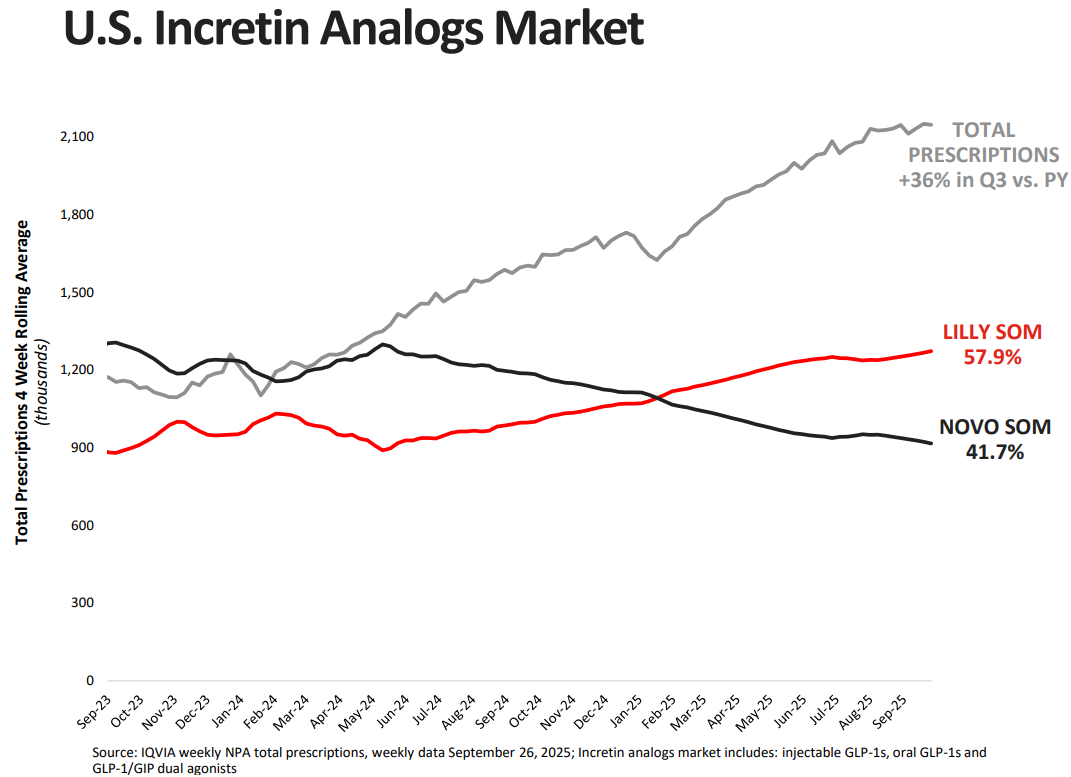
Eli Lilly has progressively expanded its market share, not only because of the superiority of its active ingredient but also due to a more robust and better-organized production capacity compared to Novo Nordisk, which has allowed it to respond more efficiently to the strong expansion of global demand.
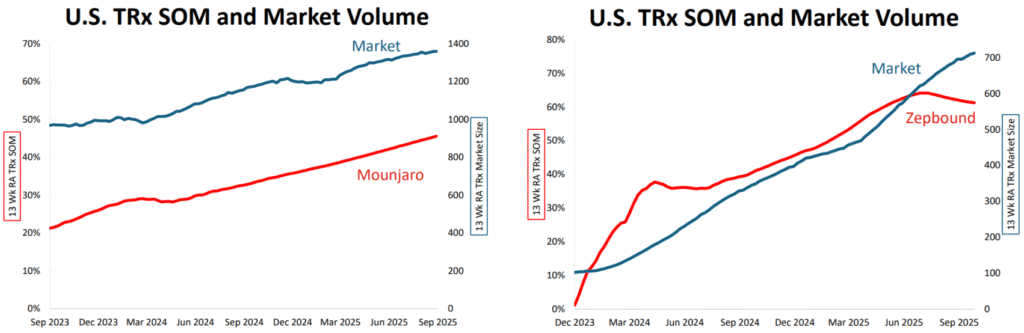
Tirzepatide’s superiority has driven increasing market share across both Mounjaro (diabetes) and Zepbound (weight loss), alongside continued growth in overall prescription volumes. The recent, temporary decline in Zepbound’s market share is primarily attributable to a change in CVS Caremark’s template formularies.
As the largest pharmacy benefit manager in the United States, CVS Caremark determines which drugs are classified as preferred, non-preferred, or excluded for a large portion of insured patients. Effective July 1st, Wegovy (Novo Nordisk’s obesity treatment) became the only GLP-1 therapy covered under this framework, mechanically pressuring Zepbound’s share despite sustained underlying demand.
We expect this temporary market share impact to be offset over time through new distribution agreements between Eli Lilly and other pharmacy benefit managers, as well as through Lilly’s international expansion, which remains at a much earlier stage compared to Novo Nordisk and therefore represents a meaningful additional growth lever.
Importantly, Eli Lilly’s competitive positioning is further reinforced by its intellectual property profile: tirzepatide is protected by patents extending through 2036, providing long-dated exclusivity, whereas Novo Nordisk’s semaglutide patent protection begins to expire between 2026 and 2031 depending on geography.
Recent Share Price Performance
This operational success has also been reflected in its stock market results: +59% in 2023, +33% in 2024, and +36% since the start of 2025. These performances reflects a growing recognition of Eli Lilly’s structural earnings acceleration and strengthening competitive position, rather than a purely momentum-driven move. Over the first nine months of 2025, revenues increased by +46% YoY (to $45.9bn), while net income and diluted EPS grew by +127% and +128%, respectively, highlighting a clear operating leverage effect driven by the GLP-1 franchise.
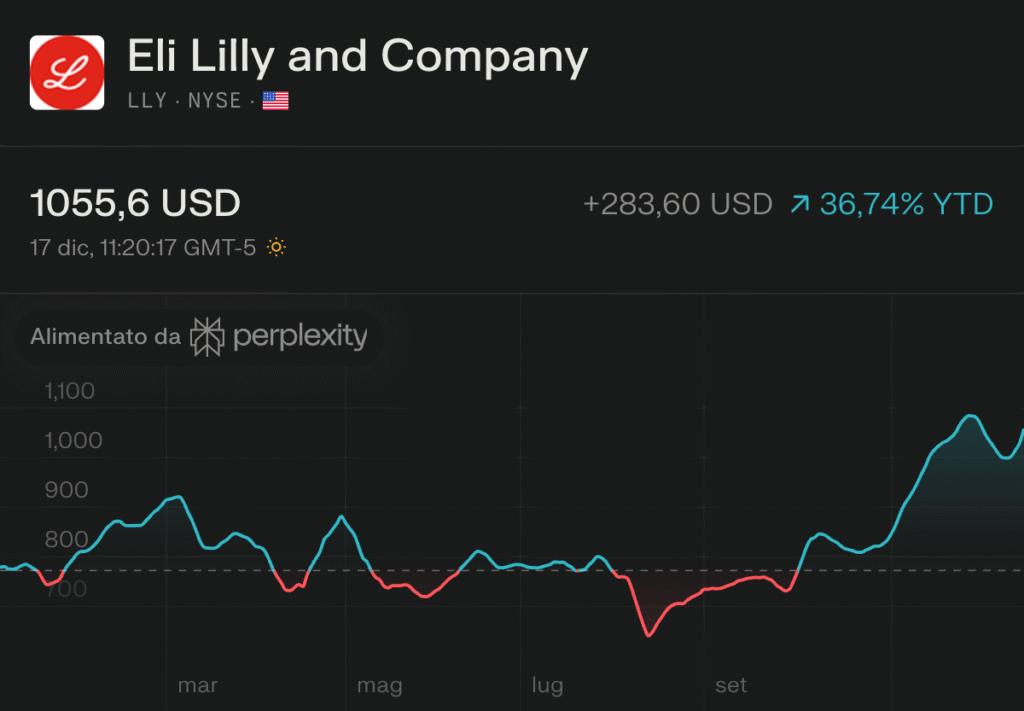
Despite ongoing US pricing pressure (normalized price headwind of roughly –8% to –9%), growth remains overwhelmingly volume-driven, supported by strong demand for Mounjaro and Zepbound. This operational momentum is further validated by Lilly’s multiple upward revisions to 2025 guidance, now expected at $63–63.5bn in revenues, up from the prior $60–62bn range.
Lilly’s leadership in the U.S. anti-obesity market has become increasingly evident, yet the current valuation still reflects only a partial recognition of its long-term optionality. While the market has begun to price in TAM expansion through broader access and reimbursement, key pipeline assets such as Orforglipron and Retatrutide are still treated as upside options rather than base-case contributors. In this context, the +33% YTD share price performance appears less as a mature re-rating and more as an initial adjustment to improving fundamentals, especially when contrasted with Novo Nordisk’s recent execution challenges and Lilly’s consistent operational delivery. As pipeline milestones are de-risked and execution continues, further multiple expansion remains plausible.
Financial Risk
In the third quarter of 2025, Eli Lilly reported a +54% YoY increase in revenue, driven primarily by the growth in sales volumes rather than an improvement in pricing. As noted in the earnings call transcript, this growth was supported by the strong momentum of Zepbound (up +185% YoY) and Mounjaro (up +109% YoY), while the price effect negatively impacted results, particularly in the United States.
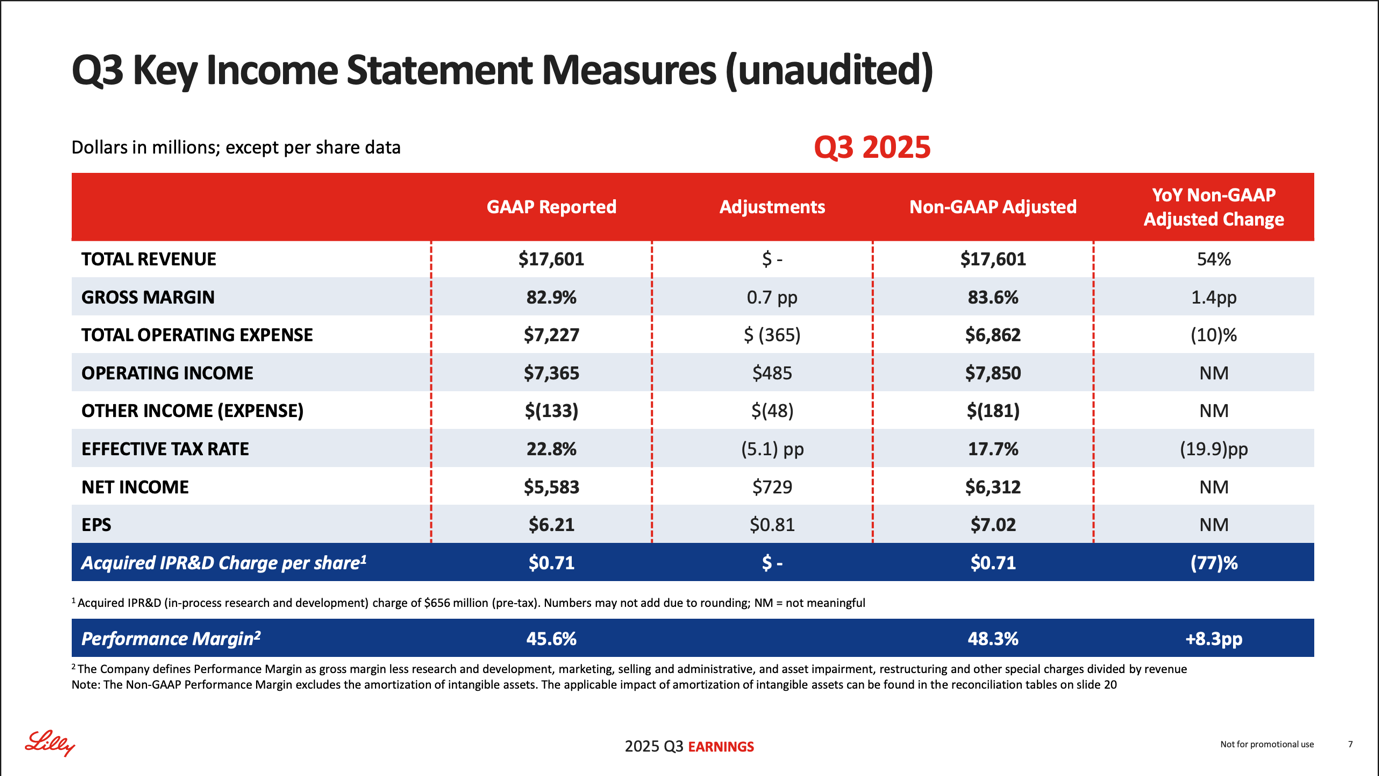
Specifically, US revenues, totaling $11.3 billion, experienced a 15% contraction in pricing. This was due to an unfavorable base effect: in Q3 2024, Lilly had benefited from a one-time positive adjustment on discounts and rebates, which had artificially inflated the comparison base. Excluding this effect, the real decline in prices is limited to a high single digit (approximately –8% / –9%), confirming that the quarter’s overall growth is almost entirely volume-driven.
Q3 2025 confirms that Eli Lilly’s growth is being propelled by the expansion of global volumes, against a backdrop of slight pricing pressure but structurally increasing demand for therapies related to obesity and diabetes.
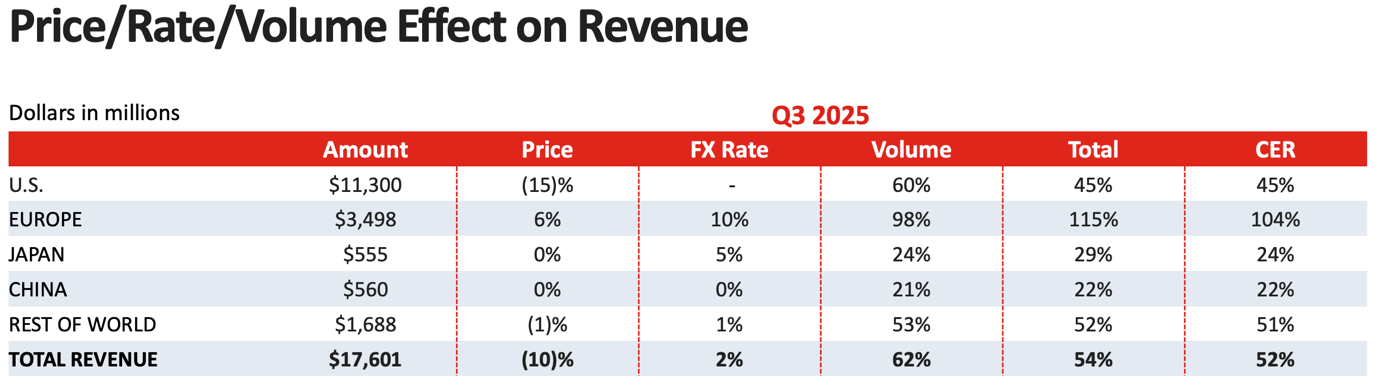
Europe, the second largest market accounting for 20% of total revenues, recorded a 115% YoY increase in sales (or a 104% constant exchange rate basis), showing improvements both in volumes (+98%) and pricing (+6%). Europe’s Q3 revenue was positively impacted by a $380mn one-time benefit but would have otherwise still grown at an impressive 91% rate thanks to Mounjaro receiving regulatory approval in Europe for weight management in April 2024.
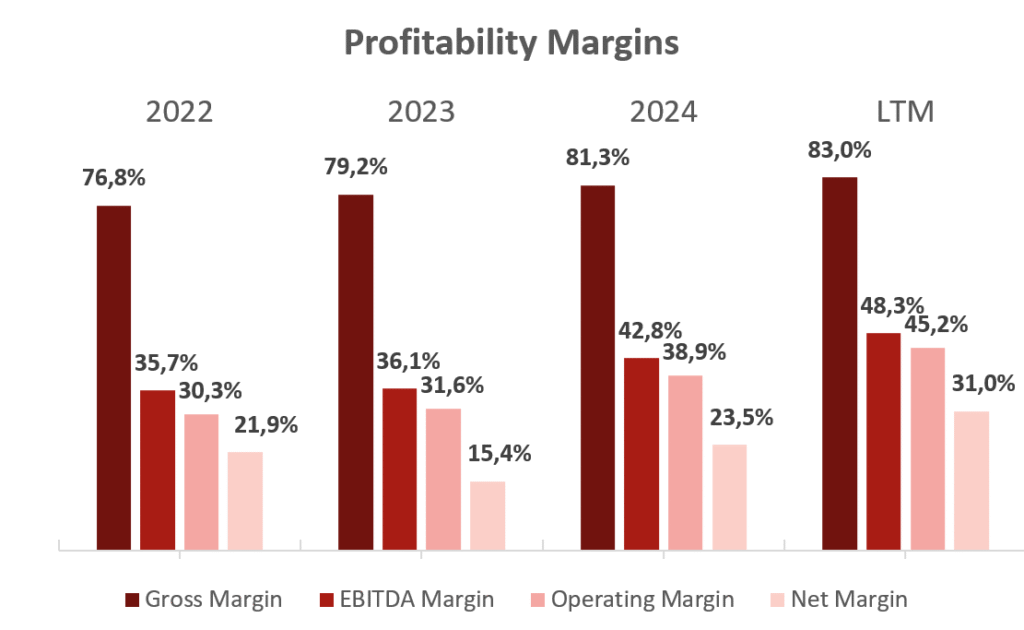
The company successfully increased its Gross Margin from 81% in Q3 2024 to 83% in Q3 2025. To maintain its leadership, Eli Lilly must continue to invest heavily in research, development, and production capacity, learning from past mistakes and strengthening its industrial structure in a context of structurally increasing demand.
From a financial risk perspective, Eli Lilly’s balance sheet remains solid and well controlled despite the exceptionally high level of ongoing investments. Net debt stands at approximately $31 bn, a level that has increased in recent years mainly due to capacity expansion and strategic investments rather than structural cash absorption. Importantly, leverage remains sustainable and supported by rapidly growing cash generation.
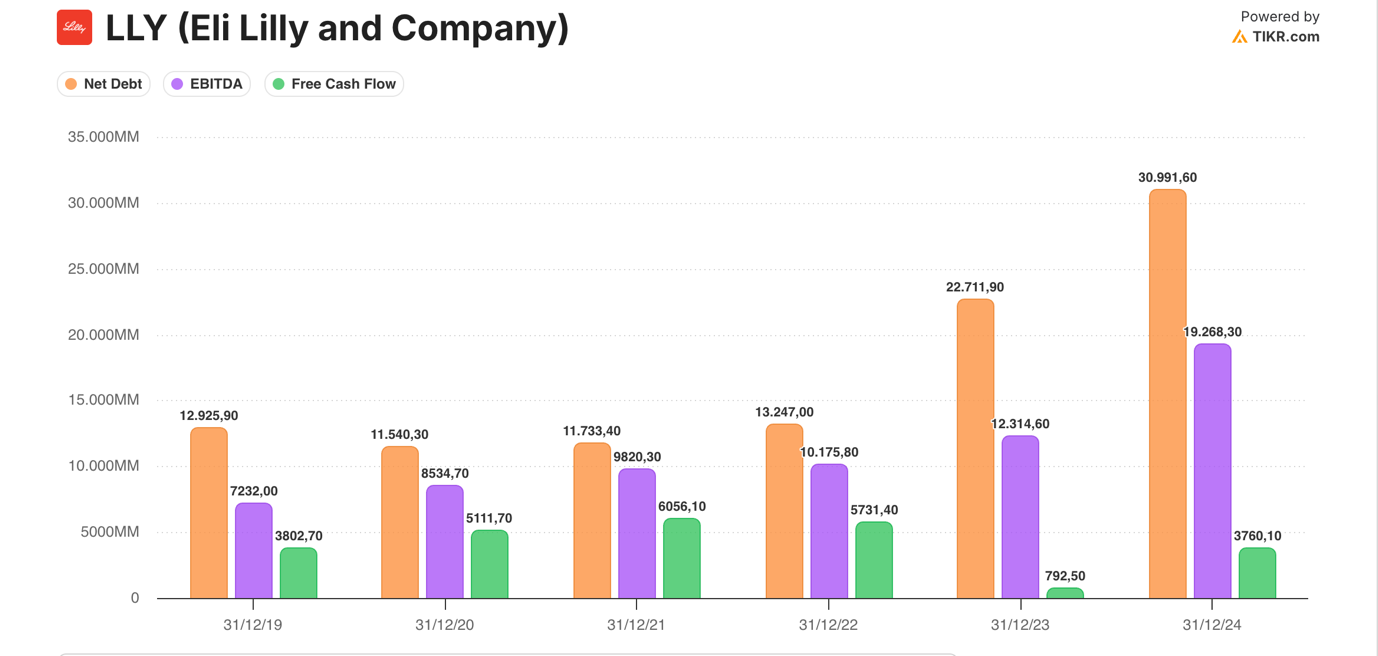
Free cash flow is a key strength of the story. For 2025E, Lilly is expected to generate around $11.2 bn of FCF, rising to $17.5 bn in 2026E and $25.5 bn in 2027E, implying a very strong FCF conversion, consistently above 40% of EBITDA over the forecast period. This highlights the company’s ability to translate earnings growth into tangible cash, even while funding large-scale capex and R&D programs.
This robust cash generation allows Lilly to simultaneously invest in future growth and return capital to shareholders. Free cash flow is used to support a steadily growing dividend (expected to grow at a low double-digit rate) and ongoing share buybacks, while maintaining full financial flexibility. Overall, the combination of controlled net debt, accelerating free cash flow, and high cash conversion significantly mitigates financial risk and reinforces the sustainability of the current growth and investment cycle.
R&D Investments and Intellectual Property Competitiveness
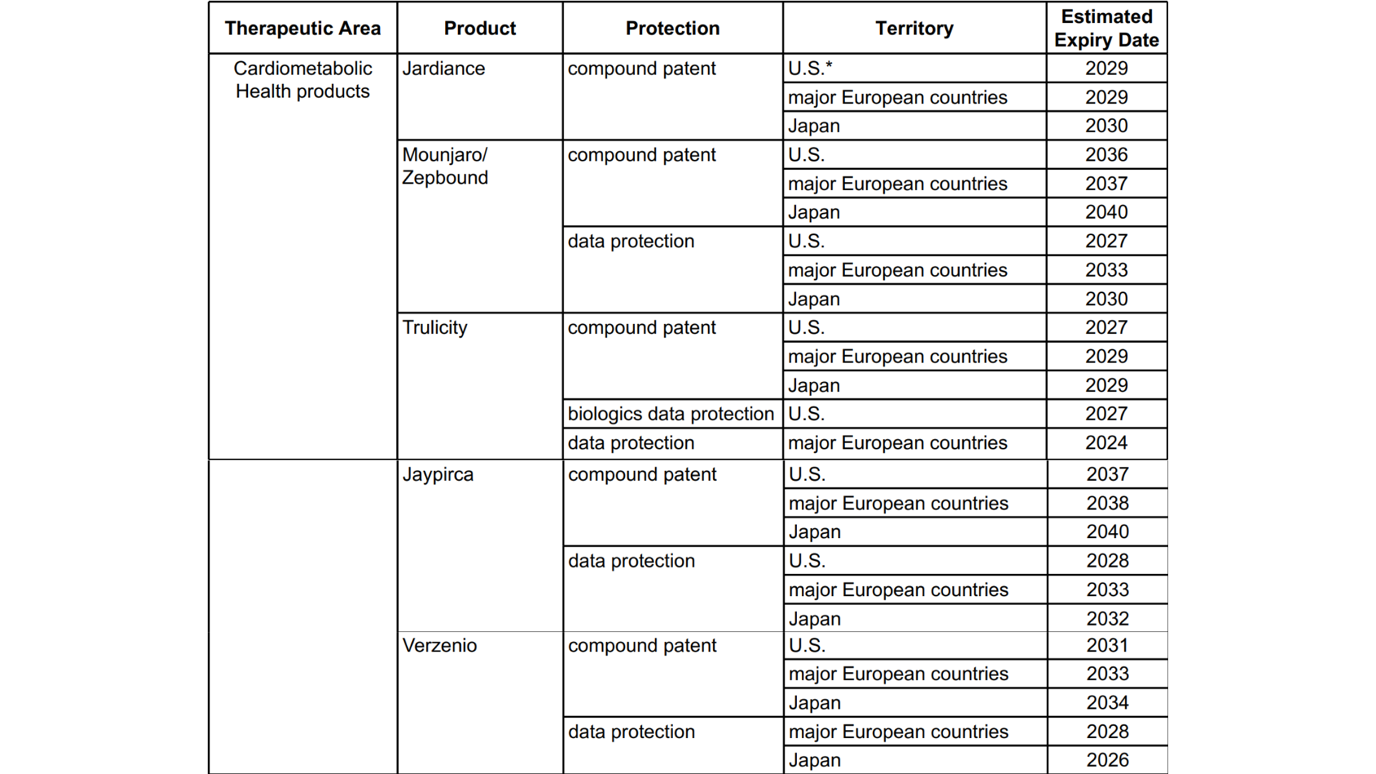
On the intellectual property front, Eli Lilly possesses a robust patent coverage that guarantees long-term revenue visibility and protection. Key drugs in the portfolio, including Mounjaro/Zepbound, Jaypirca, and Verzenio, have patent expirations ranging from 2031 to 2040, securing several years of commercial exclusivity.
Specifically, Mounjaro and Zepbound (based on the tirzepatide molecule) will maintain principal patent protection in the United States until 2036, with further extensions in European and Japanese markets. This ample protection window significantly reduces the risk of competitive erosion in the short to medium term.
Throughout 2025, Eli Lilly continues to invest heavily in R&D, as evidenced by the chart below. This is complemented by a targeted strategy of acquisitions and strategic partnerships with biotech companies and research institutions, aimed at accessing new technologies, therapeutic platforms, and innovative patents, thereby maintaining a sustainable competitive advantage in the long term.
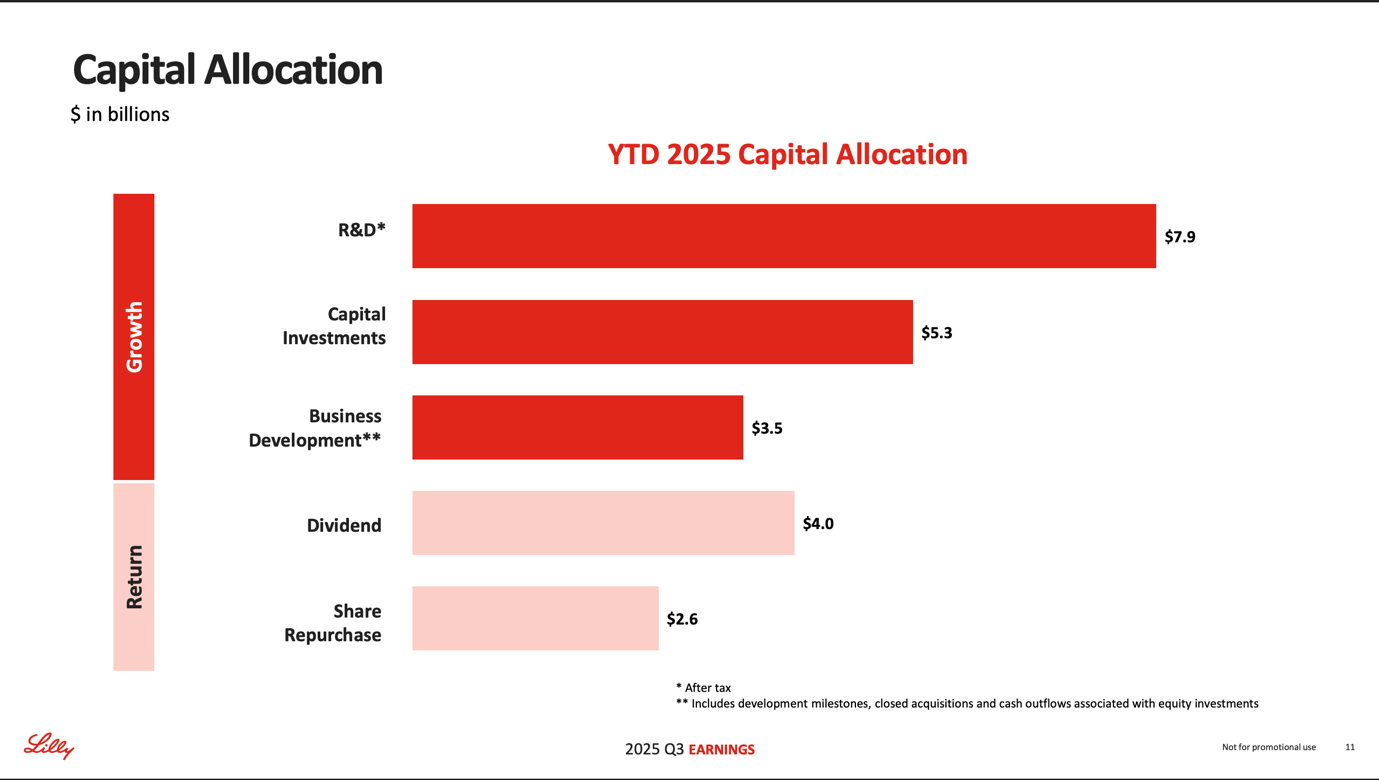
In this light, Eli Lilly has announced an extensive global manufacturing expansion, with two facilities under construction in Virginia and Texas, the expansion of an existing site in Puerto Rico, a $6 billion plant in Alabama, and a further $3 billion investment in Katwijk, the Netherlands, dedicated to oral drug production, including Orforglipron. These investments are designed to support all four of the group’s core therapeutic areas: cardiometabolic, neuroscience, oncology, and immunology.
This industrial build-out is not merely defensive, but strategic. With the obesity market projected to grow at a 27% CAGR by 2034 (conservative scenario), manufacturing scale and supply reliability are becoming key competitive differentiators in an increasingly intense duopoly.
In parallel, Lilly continues to reinforce its technological edge through a partnership with NVIDIA to develop an AI-driven drug discovery supercomputer, alongside the launch of Lilly Gateway Labs in San Diego, strengthening its research ecosystem and external biotech collaborations.
Supplementing the strong quarterly results is a robust and increasingly advanced pipeline, reinforcing Eli Lilly’s leadership in the highest-growth therapeutic areas. Since early 2024, the number of Phase 3 assets has risen to over 20 programs, with more than 50% concentrated in cardiometabolic diseases, the company’s primary growth engine. These programs extend the GLP-1 and GIP mechanisms beyond diabetes and obesity into cardiovascular, renal, and complex metabolic indications.
Within this framework, Retatrutide and Orforglipron represent two complementary pillars of the next growth phase. Retatrutide, a triple GIP/GLP-1/glucagon agonist, is delivering encouraging Phase 3 results across diabetes, cardiovascular outcomes, and renal function, positioning it as a multi-indication platform asset, much like tirzepatide’s evolution into Mounjaro and Zepbound.
In parallel, Orforglipron, an oral GLP-1, stands out as the most strategic pipeline innovation, aiming to replicate injectable efficacy while materially expanding the addressable market by removing injection-related barriers.
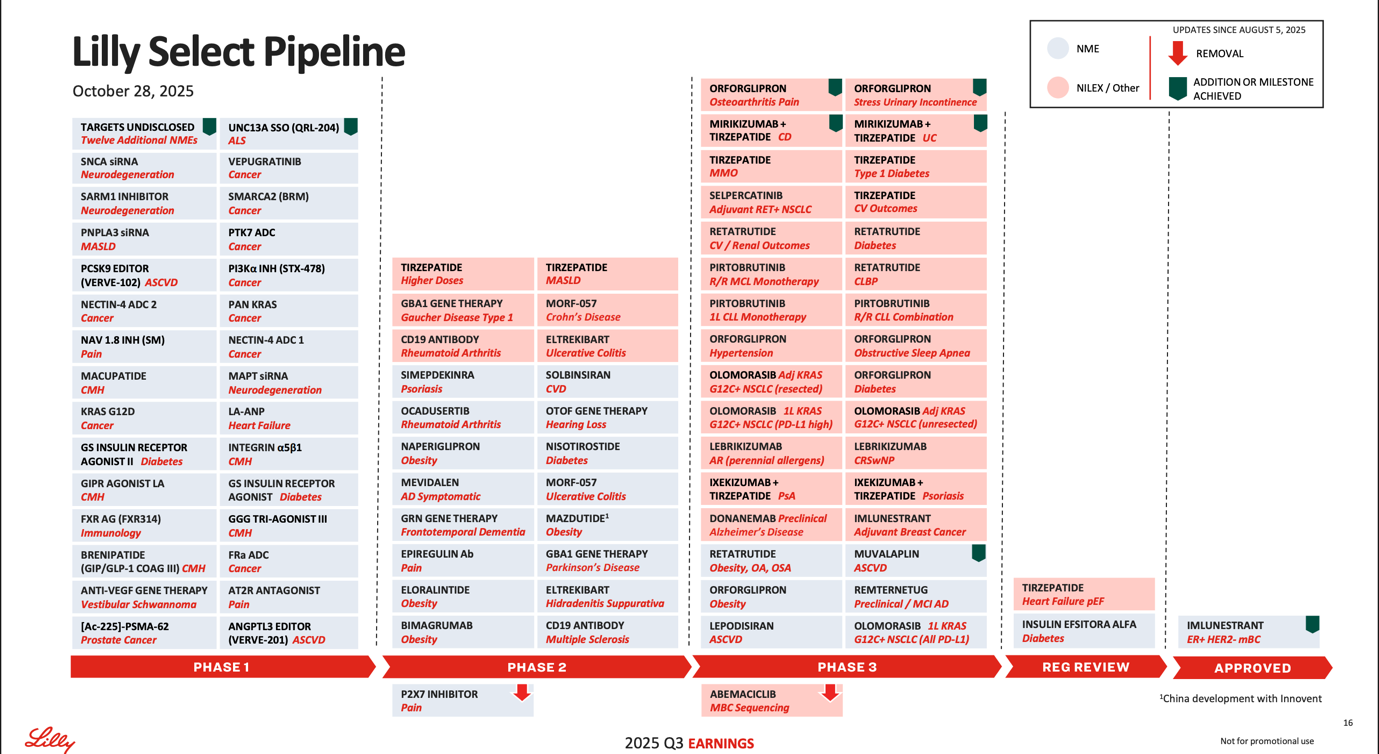
Lilly’s Orforglipron comes as a direct response to Novo Nordisk’s Rybelsus, which is the commercially available oral treatment for Type 2 Diabetes. Novo, having reported positive results from its oral semaglutide for obesity in May 2023, had the first-mover advantage, but failed to capitalize on this opportunity and now must face fierce competition from Lilly.
Eli Lilly has two Phase 3 trial programs for Orforglipron: ATTAIN for obesity and ACHIEVE for Type 2 Diabetes. In the ATTAIN trial, Orforglipron met the primary and all key secondary endpoints. Pending the completion of one ACHIEVE-4 trial, the company intends to request global regulatory approval in the first half of 2026.
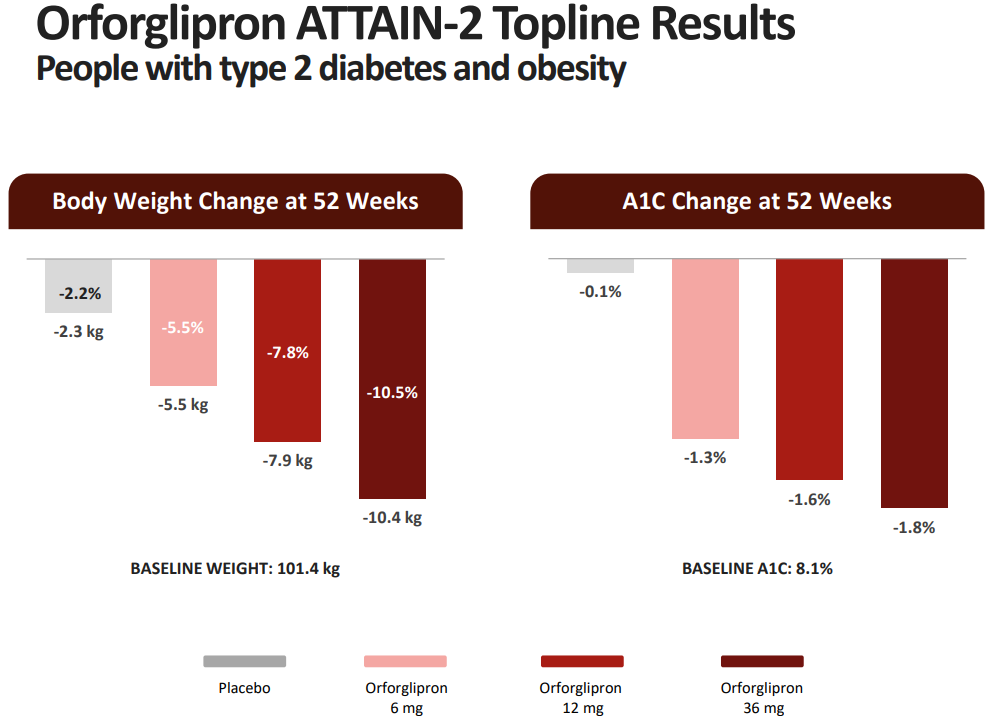
Going more into details, the ATTAIN-2 trial testing the highest dosage (36mg) of Orforglipron on people with both Type 2 Diabetes and obesity achieved a positive 10.5% weight reduction at 52 weeks. It is hard to compare Eli Lilly’s results with Novo’s OASIS trial due to the different patient population, as Novo’s OASIS trial was tested on patients without Type 2 Diabetes. With this in mind, Novo achieved a 15.1% weight loss at 68 weeks, which in absolute value is greater than Lilly’s outcome, but considering that patients with obesity and type 2 diabetes are less responsive to weight loss on GLP-1 than patients with obesity alone, Lilly’s performance is objectively positive.
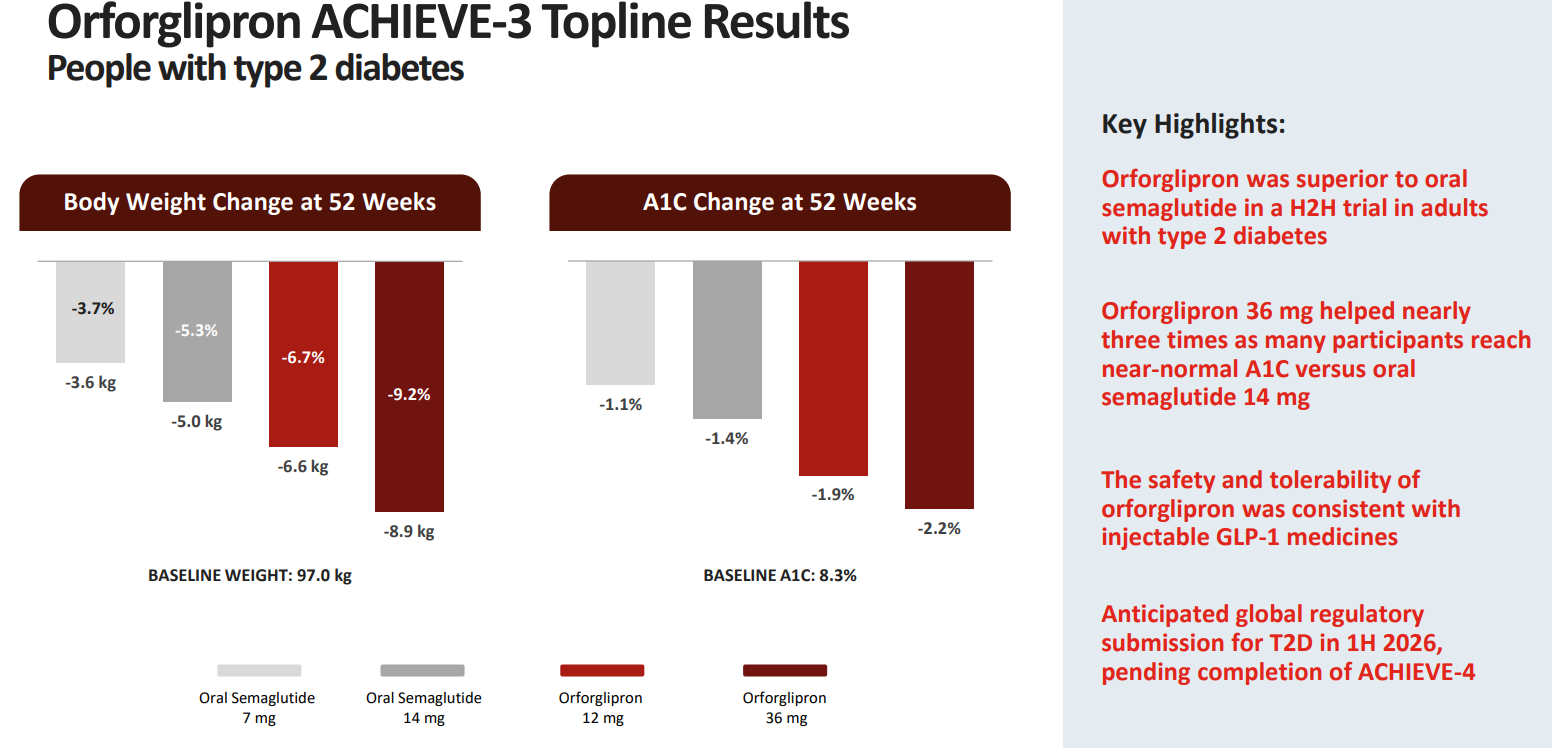
Additionally, Lilly’s Orforglipron is comparably superior to Novo Nordisk’s Rybelsus for the treatment of patients with Type 2 Diabetes, reaching near-normal A1C in almost three times as many participants compared to Novo.
Crucially, Orforglipron demonstrates a tolerability profile broadly in line with injectable GLP-1s, removing a key historical trade-off for oral therapies. This significantly improves its probability of mass adoption, long-term adherence, and first-line use across broader patient populations.
An additional Phase 3 study, called ATTAIN-MAINTAIN, is measuring the impact of switching from injectable semaglutide (Wegovy) or injectable tirzepatide (Zepbound) to oral Orforglipron. If this study achieves positive results, Lilly will convert patients under Novo’s injectable Wegovy to the much more convenient Orforglipron oral pill, expanding Orforglipron’s potential to patients already receiving treatment.
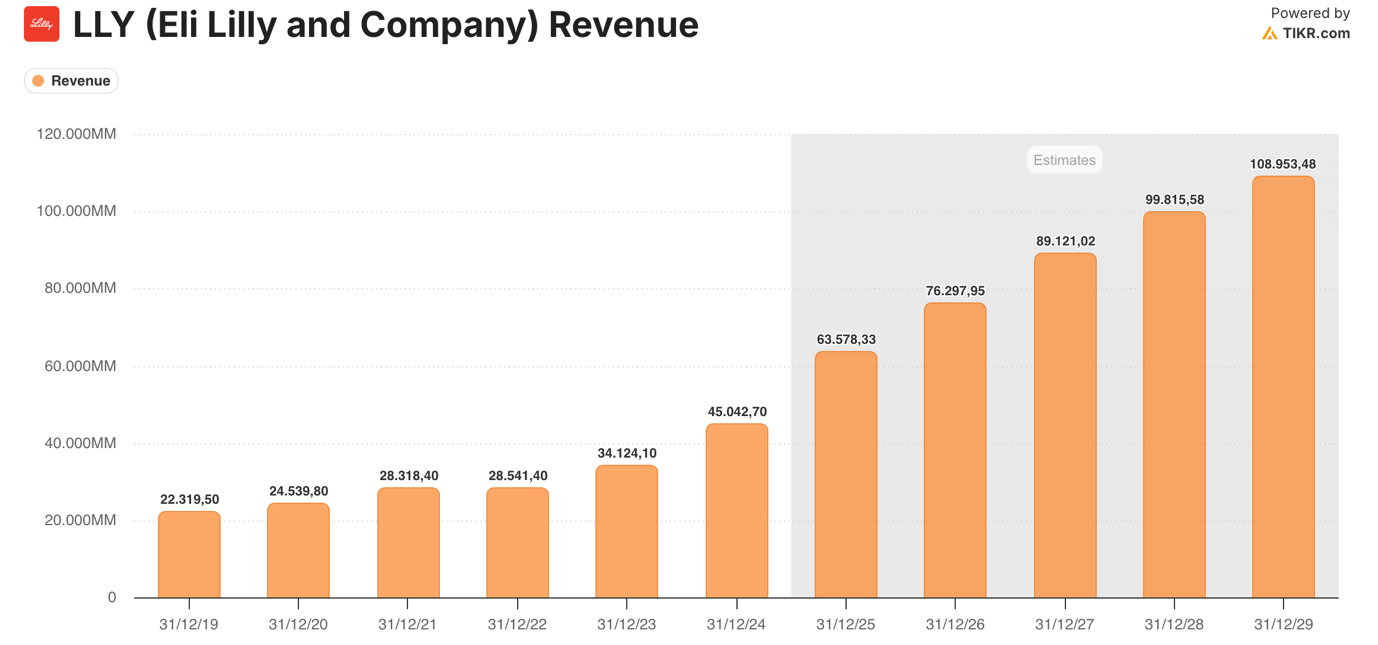
The market consensus for Lilly’s revenues in the next twelve months implies a 20% growth rate. We expect growth to slow down compared to the last twelve months (+45%), as Mounjaro’s growth in Europe during 2026 normalizes. At the same time, growth in Europe accounted for only $4bn out of $14bn (27%) of growth in the first nine months of 2025, meaning that a slower European growth will have a limited impact on the overall growth rate. We also believe that Orforglipron could further increase Lilly’s market share, leading to increased volumes, despite some negative pricing effects. For these reasons, we believe the market consensus to be overly conservative, and we expect growth rates in the next twelve months to be closer to 30%.
Investment Thesis
Importantly, Orforglipron’s potential should be viewed as the beginning of a multi-year adoption curve rather than a one-off launch. As an oral GLP-1 therapy, it addresses structurally underpenetrated patient segments, including needle-averse individuals and early-stage obesity patients, where injections represent a psychological or logistical barrier. Real-world evidence and academic studies consistently show a strong patient preference for oral formulations, supporting higher adherence, earlier initiation of therapy, and a broader eligible population versus injectables.
In addition to Orforglipron, Eli Lilly’s pipeline includes Retatrutide, which represents a second, highly differentiated growth vector and a potential major catalyst over the next 12–18 months. If Phase 3 development is successfully completed within the next year, Retatrutide is expected to become the most efficacious anti-obesity therapy to date, with weight loss of up to 28.7% at 68 weeks, materially exceeding current standards of care. While tolerability appears lower than first-generation GLP-1 therapies, as reflected by higher discontinuation rates during trials, this profile positions Retatrutide as a treatment option for more severe or refractory patients, rather than a mass-market substitute. Taken together, Orforglipron and Retatrutide strengthen Lilly’s leadership across both accessibility and maximal efficacy, further consolidating its dominance in the obesity treatment landscape.
Beyond patient-level dynamics, recent pricing and access agreements reached with the U.S. government for Lilly’s cardiometabolic portfolio signal a broader shift toward institutional adoption models. As Medicare is expected to open obesity coverage, GLP-1 therapies could experience a rapid and non-linear acceleration in uptake, materially expanding the reimbursable patient base. These agreements are likely to act as a blueprint for a new wave of B2B partnerships with private insurers and international government payers over 2026–2027. In this context, Orforglipron’s scalability and cost-effectiveness position it as an ideal candidate for large, multi-year reimbursement contracts.
Beyond new launches, Lilly’s revenue growth in 2026 and beyond is expected to be supported by a growing set of product adjacencies built around tirzepatide, reinforcing its profile as a platform asset rather than a single-indication drug.
These adjacencies include the potential approval of an OSA (obstructive sleep apnea) label for Zepbound, ongoing cardiovascular outcomes trials (CVOTs) that could extend use into cardiometabolic and cardiovascular indications, development in chronic kidney disease (CKD), and combination therapies such as bimagrumab plus tirzepatide aimed at improving body composition and metabolic outcomes.
Importantly, these expansions increase the addressable market and revenue potential without requiring new molecular launches, enhancing the durability and visibility of Lilly’s medium-term growth profile.
Market expectations currently embed a conservative view on Orforglipron, with consensus estimates pointing to less than $500 million in first-year sales. In our view, this materially understates the drug’s potential, particularly in light of the outstanding Phase 3 ACHIEVE-1 results and the increasing likelihood of an accelerated FDA approval timeline.
We acknowledge that the competitive landscape in obesity is becoming increasingly crowded, with roughly 100 anti-obesity drugs currently in development across the industry and expected to be launched gradually over the coming years, including more advanced programs such as Novo Nordisk’s CagriSema and Survodutide from Zealand Pharma in partnership with Boehringer Ingelheim.
As a result, each positive clinical update or market entry by a competitor could trigger short-term pullbacks in Eli Lilly’s share price, introducing a degree of volatility.
That said, we view this volatility as largely technical rather than fundamental, reflecting sentiment-driven reactions rather than a deterioration in Lilly’s competitive positioning. Lilly’s pipeline stands out for its depth, maturity, and differentiation, with multiple late-stage assets, best-in-class efficacy profiles, and a clear path to scale and reimbursement. Compared to most competitors, whose programs remain early-stage or narrowly positioned, Lilly is already executing on a multi-product, multi-indication strategy. As such, any market-driven weakness linked to competitor announcements should be seen as an opportunity, as we believe Lilly is structurally positioned to remain the long-term leader in the anti-obesity market.
From a valuation perspective, the implications are material. If Orforglipron delivers a faster-than-expected commercial ramp, the market will be forced to reassess not only Lilly’s growth trajectory, but also the quality and durability of its earnings base. In such a scenario, Eli Lilly increasingly trades less like a traditional large-cap pharmaceutical company and more like a platform-driven healthcare leader. We believe current valuation multiples still capture only a fraction of this structural shift, leaving meaningful upside to our target price as regulatory visibility improves and early commercial data confirm stronger-than-expected adoption.
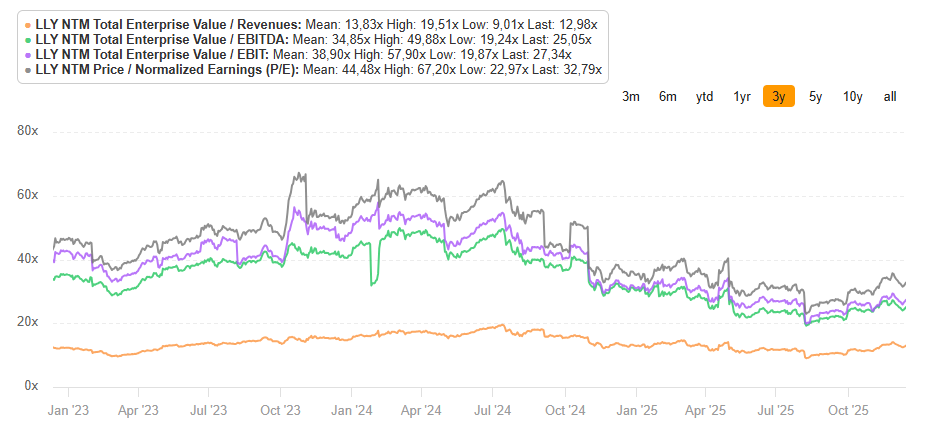
Given the robust growth in volumes and the expanding total market, the improving profitability, the expansion opportunity in oral treatments, and the overwhelming superiority demonstrated against its main competitor, we believe Eli Lilly and Co. is well positioned to appreciate in the next months.
Assuming a forward P/E of 42x, still below historical peaks despite materially improved fundamentals, and based on conservative consensus EPS of approximately $32, we see fair value already well above $1,300 per share. Importantly, this valuation does not fully reflect the potential impact of an earlier-than-expected FDA approval of Orforglipron or the acceleration in reimbursement-driven adoption. As regulatory clarity and execution milestones unfold, we expect scope for a further upward revision to our valuation framework.
All opinions and views mentioned in this report constitute our judgments as of the date of writing and are subject to change at any time. The information contained in this material is not intended to be used as the primary basis for investment decisions and should not be construed as advice that meets the particular investment needs of an individual investor. Please note that investing involves risk, including loss of principal, and past performance may not be indicative of future results. Luminaria Research, its members, officers, directors, and employees expressly disclaim any liability for actions taken based on all or any part of the information contained in this writing.